2026 Budget Bombshell: Chalmers Locks In Sweeping Property Tax Overhaul
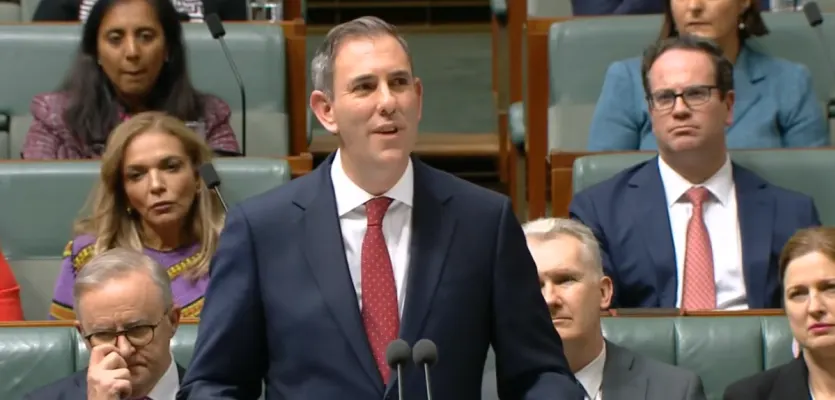
Treasurer Jim Chalmers has ended months of intense speculation, confirming the Albanese Government will proceed with significant reforms to Capital Gains Tax (CGT) and Negative Gearing (NG) in the lead-up to the 2026 Federal Budget. The announcement marks a pivotal moment for Australia’s property market, signalling a comprehensive overhaul aimed at addressing housing affordability, fiscal sustainability, and tax fairness.
The Treasurer, speaking from Parliament House, stated that the changes are designed to create a “more balanced and equitable housing system for all Australians,” moving away from policies that have historically favoured property speculation over genuine housing supply. While full legislative details are yet to be unveiled, the core principles of the reforms have been outlined, promising profound implications for investors, homeowners, and aspiring first-time buyers.
The Core Reforms: What’s Changing?
The proposed changes target key pillars of Australia’s property taxation landscape:
Capital Gains Tax Adjustments
Sources close to the Treasury indicate that the government plans to increase the Capital Gains Tax inclusion rate for investment properties. Currently, individuals pay CGT on 50% of any capital gain if the asset is held for more than 12 months. The proposed reform is expected to lift this inclusion rate to 75% for assets held for over a year, significantly increasing the tax liability on profits from property sales. Exemptions for the family home will remain untouched, ensuring that the primary residence is not impacted by these changes. The move is projected to generate billions in revenue over the forward estimates, contributing to budget repair.
Negative Gearing Revamp
Perhaps the most contentious reform, the government intends to limit the scope of Negative Gearing. Under the proposed model, the ability to offset investment property losses against other taxable income will be restricted to newly constructed dwellings. Existing investment properties will be grandfathered under current rules for a transitional period, but new acquisitions of established properties will no longer be eligible for negative gearing benefits. This strategic shift aims to incentivise investment in new housing supply, thereby easing pressure on the rental market and stimulating the construction sector, rather than encouraging speculation in existing housing stock.
Rationale Behind the Shift
Treasurer Chalmers articulated the government’s rationale, emphasising the need for structural reform to tackle Australia’s persistent housing crisis. “For too long, our tax settings have inadvertently contributed to a system where housing has become primarily an investment vehicle rather than a fundamental right,” Chalmers said. “These reforms are not about penalising investors; they are about levelling the playing field, making housing more accessible, and ensuring our tax system is fit for purpose in the 21st century.”
The government also highlighted the fiscal imperative, with the reforms expected to bolster the budget bottom line and create headroom for future investments in essential services. Economic modelling shared by the Treasury suggests that while there might be short-term market adjustments, the long-term benefits include increased housing supply, moderated price growth, and a more resilient economy.
Who Will Be Affected?
The sweeping changes are set to send ripples across various segments of the Australian population:
Property Investors
Existing and prospective property investors will feel the most direct impact. Those planning to acquire established properties for rental income will need to reassess their financial models, potentially reducing the attractiveness of such investments. Current investors holding properties for capital growth will face higher tax bills upon sale. Financial advisors are already bracing for a surge in inquiries regarding portfolio adjustments and tax planning strategies.
First-Home Buyers and Renters
The reforms are fundamentally designed to assist first-home buyers and renters. By shifting investment towards new builds and potentially cooling the established property market, the government hopes to alleviate competition and moderate price growth, making homeownership more attainable. Increased new housing supply could also ease pressure on rental markets, offering some relief to tenants.
The Broader Economy
While the construction sector could see a boost from the negative gearing changes, the wider property market may experience a period of uncertainty. Real estate agents, mortgage brokers, and associated industries will need to adapt to a new market dynamic. Economists are divided on the immediate impact on property values, with some predicting a short-term dip in investor demand, while others foresee a stable transition given the phased implementation.
Industry and Political Reaction
Initial reactions have been swift and varied. The Real Estate Institute of Australia (REIA) expressed “grave concerns” about potential market instability and urged the government to provide more detail on transitional arrangements to prevent a “fire sale” of investment properties. Conversely, housing advocacy groups and some economists have lauded the reforms as a courageous and necessary step towards addressing deep-seated inequities.
The Opposition has predictably condemned the move, labelling it a “tax grab” that will hurt small investors and potentially drive up rents. Shadow Treasurer Angus Taylor
Source: Read full article