
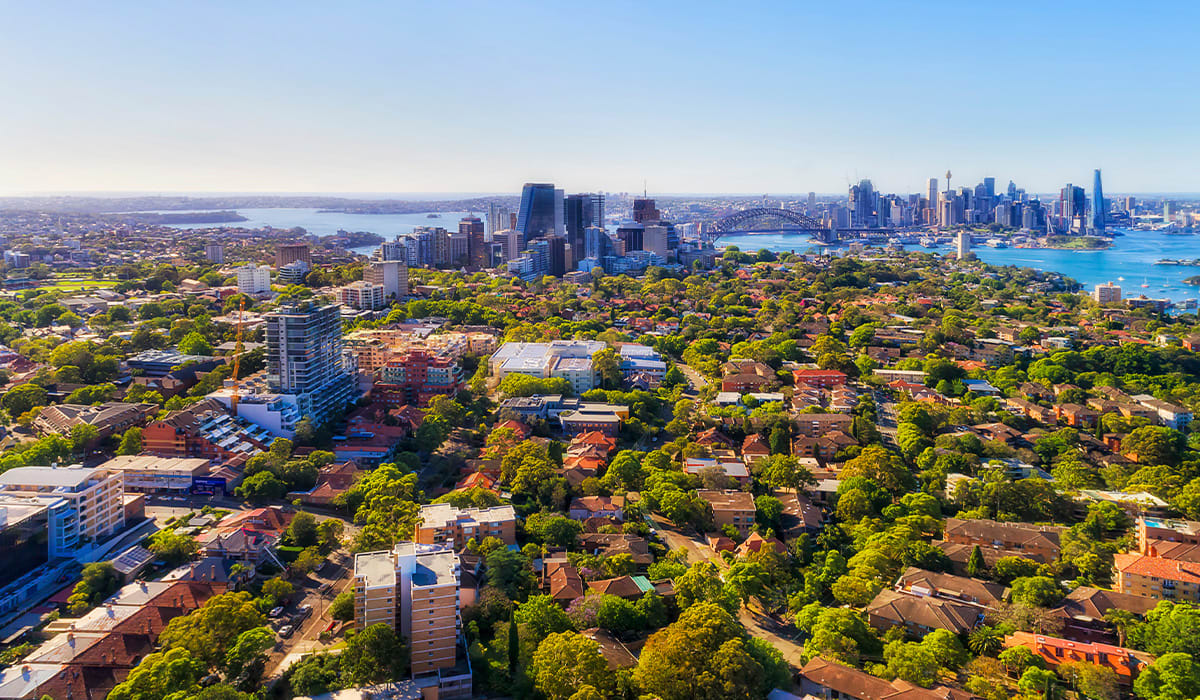
National Market on Brink of Downturn as Rates Rise, Demand Slows, and Listings Surge
Australia’s once-buoyant housing market appears to be teetering on the edge of a significant downturn, a stark contrast to the unprecedented growth observed over the past two years. A confluence of rapidly rising interest rates, a palpable slowdown in buyer demand, and an increasing volume of properties hitting the market is creating a challenging environment for homeowners and prospective buyers alike. The shift is prompting economists and real estate analysts to forecast a period of contraction after an extended boom.
For months, the Reserve Bank of Australia (RBA) has been steadily increasing the official cash rate in an aggressive bid to curb rampant inflation. These successive rate hikes have directly translated into higher mortgage repayments for millions of Australian households, significantly eroding their disposable income and, consequently, their capacity to borrow. The era of historically low interest rates that fuelled much of the recent property surge now seems a distant memory, replaced by a climate of financial tightening that is reshaping market dynamics.
Rising Interest Rates Squeeze Borrowers
The RBA’s decision to lift interest rates has had an immediate and profound impact on the affordability equation. Homeowners on variable rate mortgages are feeling the pinch of escalating monthly repayments, with many having to adjust household budgets to accommodate these increased costs. For those looking to enter the market or upgrade, the situation is even more challenging. Lenders are now assessing borrowing capacity under much stricter conditions, factoring in higher potential interest rates, which has effectively reduced the maximum loan amount prospective buyers can secure. This reduction in borrowing power acts as a significant barrier, particularly for first-time buyers who rely heavily on maximum leverage.
Economists predict that the full impact of these rate hikes is yet to be fully realised, as some homeowners are still on fixed-rate mortgages that will soon expire, exposing them to the current higher variable rates. This “fixed-rate cliff” is a major concern, potentially leading to a fresh wave of financial stress and, in some cases, forcing sales.
Dampened Buyer Demand and Economic Headwinds
Beyond the direct impact of interest rates, buyer demand is experiencing a noticeable cooling across the country. The enthusiasm that characterised the market during the pandemic-era boom has waned, replaced by a cautious approach from potential purchasers. This shift is attributable to several factors: the increased cost of living, which is squeezing household budgets; general economic uncertainty both domestically and globally; and the lingering effects of geopolitical tensions, which contribute to an overall sense of unease.
Investors, who played a significant role in driving up prices in recent years, are also becoming more hesitant. The prospect of declining capital growth combined with higher borrowing costs makes property investment less attractive. First-time buyers, already struggling with affordability, are now confronted with a landscape where their purchasing power is diminished, further pushing homeownership out of reach for many.
Surge in Listings Adds Pressure
Compounding the effects of rising rates and softening demand is a discernible surge in property listings. While not yet at crisis levels, the number of homes coming onto the market has increased, particularly in certain capital cities and regional hotspots that saw exponential growth. This increase in supply, without a corresponding rise in buyer activity, is inevitably placing downward pressure on prices.
Several factors could be contributing to this influx of listings. Some homeowners may be looking to sell before interest rates climb further, locking in gains made during the boom. Others, particularly investors, might be offloading properties as rental yields become less appealing relative to higher mortgage costs. The balance of power in the market is shifting from sellers to buyers, with properties now spending longer on the market and price reductions becoming more common.
Market Correction on the Horizon
Property market analysts are increasingly forecasting a correction rather than a mere slowdown. While the exact magnitude and duration of a downturn remain subject to various economic indicators and future RBA decisions, the consensus is growing that a period of price adjustments is imminent. Some predict a “soft landing” with moderate, single-digit declines, while others warn of more significant corrections, particularly in areas that experienced the most rapid price escalation.
The resilience of the Australian economy, employment figures, and the banking sector’s robust lending standards will all play crucial roles in determining the severity of any downturn. However, the current trajectory points towards a challenging period for the national housing market.
In conclusion, Australia’s housing market is at a critical juncture. The convergence of tightening monetary policy, weakening buyer sentiment, and an uptick in available properties signals a significant shift from the boom conditions of recent years. Homeowners, prospective buyers, and policymakers will need to navigate this evolving landscape carefully, as the national market braces for what could be its most significant downturn in over a decade.
Source: Read full article


Leave feedback about this