Auction Market Plunges to New Low Amidst Housing Correction
Australia’s two largest housing markets, Sydney and Melbourne, are currently navigating a significant correction, with both cities recording price falls exceeding 2% over the last quarter. This downturn is acutely reflected in their respective auction markets, where clearance rates have plummeted to their lowest levels in years, signaling a profound shift from the buoyant conditions of recent times.
Sydney’s Steep Decline into a Buyer’s Market
The Sydney auction market, long a bellwether for national housing trends, has experienced a particularly sharp contraction. May’s final auction clearance rate for the harbour city registered a mere 49%, marking its lowest point in several years. This figure stands in stark contrast to the robust rates observed during the market peaks of 2021, when clearance rates frequently soared into the 70s and 80s.
The sub-50% clearance rate indicates that more than half of all properties taken to auction are failing to sell under the hammer, forcing vendors to either accept lower-than-expected offers post-auction, withdraw their properties, or convert to private treaty sales. This dramatic shift is creating a challenging environment for sellers, many of whom are grappling with the need to recalibrate their price expectations in a rapidly cooling market. For buyers, however, the landscape is becoming increasingly favourable, offering more choice and reduced competition.
Melbourne Mirrors the Trend with Significant Price Falls
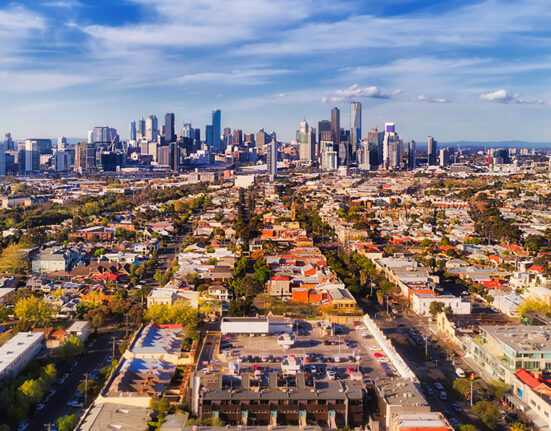
Melbourne’s housing market is mirroring Sydney’s trajectory, experiencing similar pressures and recording substantial price declines over the past three months. While specific clearance rates for Melbourne in May were not detailed to the same extent as Sydney’s, market analysts confirm that the city’s auction performance has also deteriorated significantly, reaching multi-year lows. This synchronized downturn in Australia’s two most populous cities underscores a broader national trend rather than isolated market anomalies.
The consistent fall in prices across both metropolitan areas, exceeding 2% in a single quarter, suggests that the period of rapid capital growth has decisively ended. Instead, a phase of price discovery and adjustment is underway, driven by a confluence of economic factors impacting affordability and buyer sentiment.
Factors Driving the Downturn
Several key macroeconomic forces are converging to exert downward pressure on the auction market and broader housing prices:
Rising Interest Rates
The Reserve Bank of Australia (RBA) has embarked on a cycle of interest rate hikes aimed at curbing soaring inflation. These successive increases directly impact borrowing capacity and mortgage serviceability, making it more expensive for prospective buyers to secure home loans. This reduction in purchasing power invariably translates into lower demand and a decreased willingness to bid aggressively at auction.
Inflationary Pressures and Cost of Living
Beyond interest rates, the escalating cost of living, driven by high inflation across essentials like fuel, food, and energy, is eroding household disposable income. This leaves less money available for mortgage repayments or deposits, further dampening buyer enthusiasm and capacity in the housing market.
Shifting Market Sentiment
The psychological aspect of the market cannot be overstated. A year ago, fear of missing out (FOMO) drove intense competition. Today, that sentiment has largely been replaced by caution and a ‘wait and see’ approach. Buyers are now less inclined to overpay, anticipating further price corrections, while sellers are facing the reality of a less eager pool of bidders.
Increased Supply and Reduced Demand
As properties take longer to sell and new listings continue to come onto the market, the balance between supply and demand shifts. With fewer active and qualified buyers, the available inventory grows, giving buyers more leverage and reducing the urgency to purchase, particularly at auction.
Implications for Buyers and Sellers
For prospective buyers, the current market represents a potential window of opportunity. With clearance rates low and prices softening, there is less competition and greater room for negotiation. However, this advantage is somewhat tempered by the higher cost of borrowing due to rising interest rates.
Sellers, on the other hand, must adjust their expectations. The days of rapid sales and premium prices are, for now, in the past. Vendors are increasingly advised to price their properties realistically, consider alternative sales methods if auction results are disappointing, and prepare for a longer time on the market. Properties that are well-presented and strategically priced are more likely to attract attention in this challenging environment.
Expert Outlook and Future Projections
Market analysts predict that the housing correction is likely to continue for the foreseeable future, at least until inflation is brought under control and the RBA signals a pause in its rate hiking cycle. While the pace of decline may vary, the consensus is that Sydney and Melbourne will see further price adjustments throughout the remainder of the year and potentially into 2023.
The current plunge in auction clearance rates serves as a stark reminder of the market’s sensitivity to economic conditions and sentiment. The housing landscape has unequivocally shifted from a seller’s paradise to a more balanced, if not buyer-leaning, market, necessitating adaptability from all participants.
The significant cooling of the auction market in Sydney and Melbourne underscores a pivotal moment in Australia’s housing cycle. After years of unprecedented growth, these major urban centers are now firmly entrenched in a correction phase. The record-low clearance rates and sustained price falls indicate that the market has fundamentally rebalanced, presenting new challenges for sellers and cautious opportunities for buyers as the economic landscape continues to evolve.
Source: Read full article