Perth Booming, Brisbane Selling in Days – But Cracks Are Forming in Australia’s Property Market
Australia’s residential property market is presenting a complex and often contradictory picture, with robust growth in key metropolitan areas juxtaposed against emerging vulnerabilities. While cities like Perth are experiencing a significant boom and Brisbane properties are selling at an accelerated pace, underlying economic shifts are beginning to signal a potential reshaping of market momentum, according to the latest residential news from API Magazine.
The Enduring Momentum: Migration and Supply Shortages
A primary driver of the current market strength across much of Australia remains the potent combination of strong net overseas migration and persistent housing supply shortages. The influx of new residents into major capital cities has substantially amplified demand for both rental and owner-occupied dwellings. This heightened competition, particularly in a market already grappling with an insufficient pipeline of new housing, has been a critical factor in pushing property prices and rents to new highs.
The chronic undersupply of housing stock, exacerbated by various factors including construction delays, labour shortages, and rising material costs, means that available properties are quickly absorbed by the market. This imbalance between supply and demand creates an environment where sellers often find themselves in a strong position, particularly in desirable locations.
Regional Hotspots: Perth and Brisbane Leading the Charge
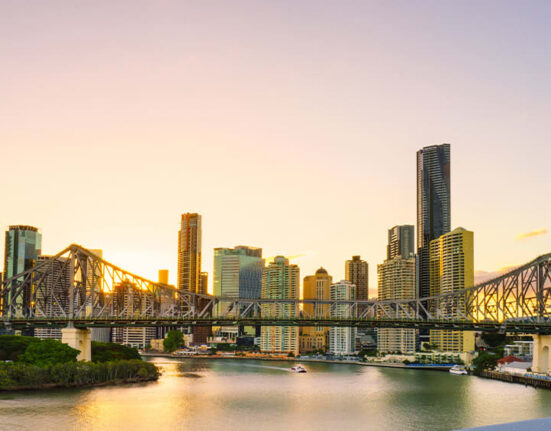
Western Australia’s capital, Perth, exemplifies the current boom, benefiting from a robust state economy, relative affordability compared to its eastern counterparts, and strong interstate and international migration. The city’s property market is characterised by intense buyer activity and rapid price appreciation. Similarly, Brisbane continues to demonstrate remarkable resilience and growth. Properties in the Queensland capital are frequently snapped up within days of listing, reflecting high buyer confidence and sustained demand. This rapid turnover underscores the acute competition among purchasers and the perceived value proposition of these markets.
Cracks in the Foundation: Interest Rates and Developer Sentiment
Despite the localised strength, the broader Australian property market is not immune to macroeconomic headwinds. A series of interest rate hikes by the Reserve Bank of Australia, implemented to combat persistent inflation, are increasingly impacting borrowing capacity and serviceability for prospective buyers. Higher mortgage repayments are beginning to cool demand in some segments, particularly among first-home buyers and highly leveraged investors, by diminishing affordability and increasing financial pressure.
Compounding the impact of rising interest rates is a noticeable weakening in developer confidence. The escalating costs of construction, coupled with tighter lending conditions for development projects and uncertainty regarding future demand, are causing developers to reassess new ventures. This cautious approach threatens to further constrain future housing supply, potentially exacerbating the existing shortage in the medium term, even as current demand remains strong.
The Broadening Impact on Market Momentum
These emerging pressures are starting to reshape the overall market momentum. While prices and rents continue their upward trajectory in many areas, the pace of growth may begin to moderate. The enthusiasm that defined the market in recent years is gradually being tempered by the reality of higher borrowing costs and a more challenging economic outlook. This shift suggests a move towards a more nuanced and potentially fragmented market, where performance could vary significantly by region and property type.
A Market at a Crossroads
The Australian property market stands at a critical juncture. The powerful forces of strong migration and tight housing supply continue to exert upward pressure on prices and rents, ensuring that the market remains competitive in many areas. However, the counteracting forces of rising interest rates and waning developer confidence are introducing an element of caution and uncertainty. This interplay of strong demand-side fundamentals and tightening financial conditions creates a delicate balance.
Stakeholders, from individual homebuyers and investors to policymakers and developers, are navigating a period of heightened complexity. The resilience seen in hotspots like Perth and Brisbane highlights the enduring appeal of property ownership and the impact of demographic shifts, while the broader economic indicators suggest a need for vigilance. The coming months will likely reveal how these competing forces ultimately shape the trajectory of Australia’s residential property landscape.
Source: Read full article