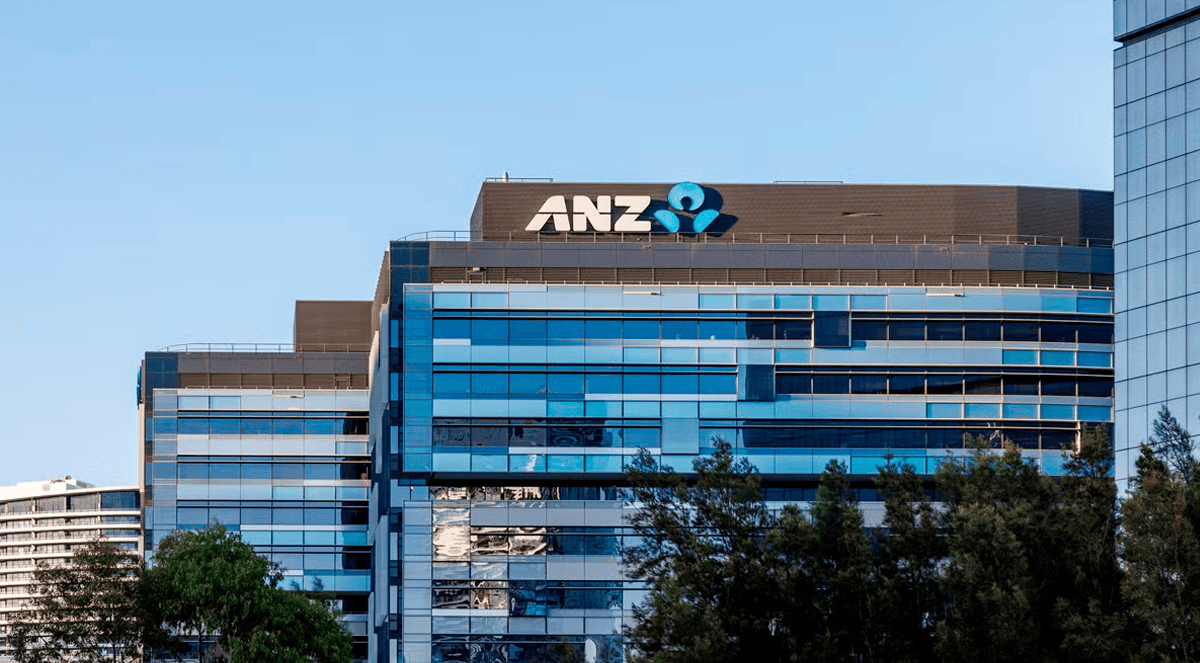
Sydney and Melbourne Property Prices to Dip Before 2027 Rebound: ANZ Forecasts
Sydney and Melbourne homeowners and prospective buyers are facing a period of price adjustments, with ANZ Bank forecasting a moderate dip in home values across both major capital cities in 2026. However, the financial institution predicts this correction will be temporary, giving way to a robust recovery and renewed growth in 2027, driven by powerful demographic trends and ongoing supply constraints.
The ANZ Outlook: A Mid-Decade Pause
According to ANZ’s latest market analysis, the Australian property market, particularly in its largest cities, is poised for a strategic deceleration. The bank’s economists anticipate that a combination of factors, including the lingering effects of higher interest rates, affordability challenges, and a potential softening of the broader economy, will likely exert downward pressure on prices through 2026. This period is expected to offer a brief respite from the rapid growth observed in recent years, potentially creating opportunities for first-home buyers and those looking to enter the market.
While the exact magnitude of the forecasted dip was not specified in detail, ANZ’s report suggests it will be a correction rather than a significant collapse, reflecting a market finding its equilibrium after a period of substantial gains. The bank’s economists indicate that the cumulative impact of past interest rate hikes will continue to ripple through the market, affecting borrowing capacity and buyer sentiment well into the coming year.
Drivers of the Anticipated 2027 Recovery
Despite the near-term headwinds, ANZ remains optimistic about the long-term trajectory of the Sydney and Melbourne property markets. The bank’s forecast for a strong rebound in 2027 is underpinned by two critical and enduring factors: robust population growth and a persistent shortage of housing supply.
Strong Population Growth
Australia’s strong post-pandemic immigration intake is a key driver. Both Sydney and Melbourne are primary destinations for new migrants, leading to surging demand for housing. This demographic pressure is expected to intensify over the coming years, creating a fundamental floor for property values and fueling future price appreciation. As new residents settle, their need for accommodation—whether rental or owned—will place sustained upward pressure on the market, quickly absorbing any temporary oversupply or price dips.
Persistent Supply Shortage
Compounding the demand-side pressures is the ongoing structural undersupply of housing. Despite efforts by various levels of government, new housing construction has struggled to keep pace with population growth. High construction costs, labour shortages, and lengthy planning approval processes continue to impede the delivery of sufficient new dwellings. This imbalance between a growing population and a constrained housing stock is a powerful long-term factor supporting property values and is expected to be a primary catalyst for the 2027 rebound.
Broader Economic Context and Implications
The ANZ forecast also considers the broader economic landscape. While higher interest rates are currently dampening market activity, the bank’s outlook likely factors in an eventual easing of monetary policy. Should inflation come under control, leading to interest rate cuts in late 2026 or 2027, this would significantly improve mortgage affordability and inject renewed confidence into the housing market, further propelling the anticipated recovery.
For homeowners, the forecast suggests a period of modest valuation adjustment, but with the reassurance of a strong rebound on the horizon. For prospective buyers, particularly those struggling with affordability, 2026 might present a window of opportunity to enter the market at slightly more accessible price points before the renewed upturn takes hold. Investors, too, will be weighing the potential for a strategic entry during the dip, anticipating the strong returns promised by the long-term fundamentals.
In conclusion, ANZ Bank’s analysis paints a picture of a resilient Australian property market, particularly in its two largest cities. While a near-term correction in 2026 is expected as the market digests current economic realities, the underlying forces of strong population growth and an enduring housing supply deficit are poised to drive a significant recovery and renewed price appreciation starting in 2027, reaffirming the long-term investment appeal of Sydney and Melbourne real estate.
Source: Read full article