
Auction Markets Diverge: Melbourne Signals Rebound, Sydney Slips Behind
Australia’s two largest property markets, Melbourne and Sydney, are charting distinctly different courses in their auction performances, according to the latest preliminary data. While Melbourne has recorded a notable lift in its preliminary clearance rates, signalling a potential rebound, Sydney’s recovery momentum appears to have stalled, raising questions about the broader trajectory of the national housing market.
Melbourne’s Resurgence: A Boost in Buyer Confidence
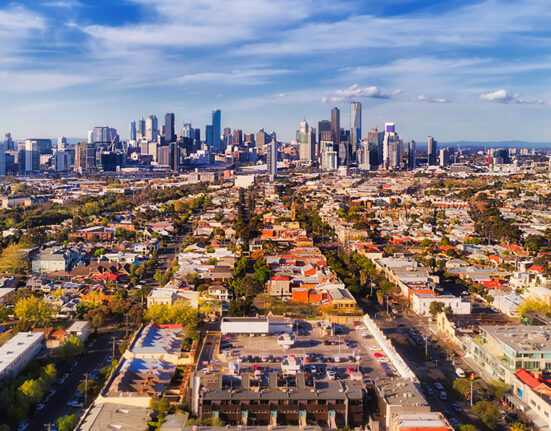
Melbourne’s auction market has shown renewed vigour, with preliminary clearance rates climbing to an encouraging level. Over the past weekend, the Victorian capital reported a preliminary clearance rate of 72% from a reported 850 auctions. This figure represents a significant uptick from the previous week’s final rate of 68% and stands in stark contrast to earlier periods of market uncertainty. The improved performance suggests a resurgence in buyer confidence and a healthier balance between supply and demand.
Industry observers point to several factors contributing to Melbourne’s stronger showing. “We’re seeing a combination of factors at play in Melbourne,” noted Dr. Eleanor Vance, Chief Economist at PropTrack Analytics. “Increased migration, particularly skilled workers, is bolstering demand, and while interest rates remain a concern, buyers appear to be adjusting to the ‘new normal’. There’s also a sense that vendors are pricing properties more realistically, which is helping to facilitate sales under the hammer.” The city’s inner and middle ring suburbs, in particular, have demonstrated robust competition, with several properties selling well above their reserves.
Sydney’s Stalled Recovery: Headwinds Persist
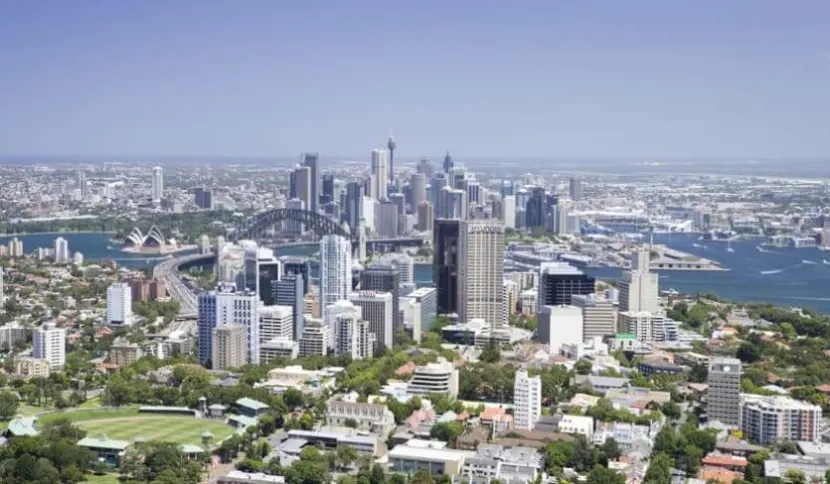
Conversely, Sydney’s auction market has struggled to maintain its earlier signs of recovery. Preliminary data for the same period reveals a clearance rate of 61% from a higher volume of 1,050 scheduled auctions. This represents a slight dip from the previous week’s final rate of 63% and falls short of the sustained momentum needed for a convincing market upswing. The figures suggest that while buyer interest exists, it is not translating into the same level of successful transactions seen in Melbourne.
Analysts suggest that Sydney’s market is contending with more pronounced headwinds. “Sydney’s property market, with its higher median house prices, tends to be more sensitive to interest rate fluctuations,” explained Mr. David Chen, Senior Property Analyst at CoreLogic. “The cumulative impact of rate hikes might be weighing more heavily on borrowing capacity and buyer sentiment in Sydney. We’re also seeing some vendor hesitation, with a higher proportion of properties being passed in or withdrawn before auction, indicating a mismatch between seller expectations and buyer willingness.” The higher volume of listings compared to Melbourne, coupled with more cautious bidding, appears to be contributing to the subdued clearance rates.
Diverging Dynamics: Supply, Demand, and Sentiment
Supply and Demand Imbalances
The divergence between the two cities can partly be attributed to differing supply and demand dynamics. Melbourne’s auction volumes, while substantial, have been met with stronger buyer engagement, leading to a higher proportion of successful sales. This could indicate a relative undersupply of desirable properties or a more concentrated pool of active buyers. In Sydney, the larger volume of listings may be diluting buyer competition, giving purchasers more choice and potentially leading to more cautious bidding strategies or a greater willingness to walk away if prices exceed their perceived value.
Economic Headwinds and Buyer Sentiment
Broader economic conditions are also playing a role. While both cities operate within the same national economic framework, regional nuances in employment, wage growth, and population shifts can influence local market sentiment. Melbourne’s robust population growth, driven by both international and inter-state migration, is providing a consistent base of new housing demand. Sydney, while also experiencing population growth, might be facing greater affordability constraints that are amplified by the current interest rate environment, leading to a more conservative approach from prospective buyers.
Implications for Buyers and Sellers
For buyers in Melbourne, the market is becoming more competitive, requiring swift decision-making and potentially stronger offers to secure properties. Sellers, on the other hand, may find a more receptive audience and better opportunities to achieve their desired prices. In Sydney, buyers may find more leverage, with greater choice and less intense competition, potentially allowing for more negotiation. Sellers in Sydney, however, may need to adjust their expectations, focusing on realistic pricing and robust marketing strategies to attract serious bidders.
Outlook and Future Trends
The current divergence highlights the increasingly localised nature of Australia’s property market. While national headlines often paint a broad picture, the reality on the ground can vary significantly between cities. The coming weeks will be crucial in determining whether Melbourne’s upward trajectory can be sustained and if Sydney can overcome its current hurdles. Market participants will be closely watching interest rate decisions, inflation figures, and consumer confidence reports, all of which will undoubtedly continue to shape the distinct paths of these two vital housing markets.
This split performance underscores a nuanced market environment where generic assumptions no longer hold true. Both buyers and sellers are advised to seek granular, city-specific advice to navigate the unique conditions currently at play in Australia’s two largest auction markets.
Source: Read full article



Leave feedback about this