
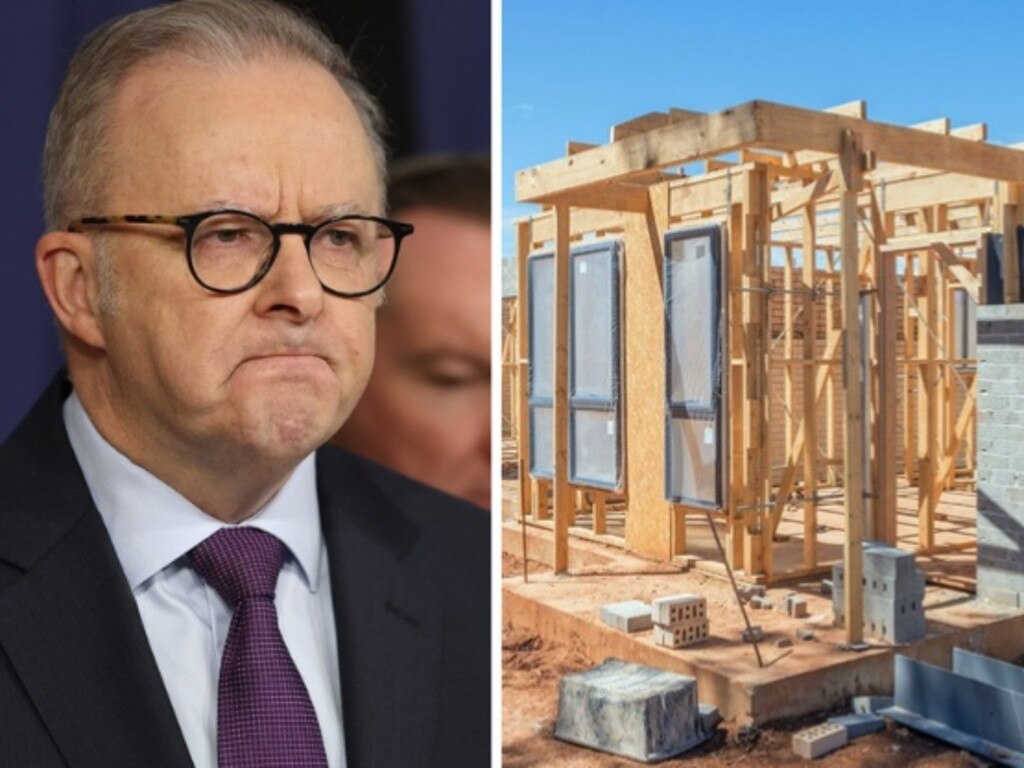
Australia’s Biggest Builders Warn Budget Won’t Boost Housing Supply
Australia’s major construction firms are expressing significant apprehension following the Albanese government’s latest federal budget, warning that it falls short of addressing critical bottlenecks essential for boosting the nation’s housing supply. Despite the government’s ambitious targets, industry leaders contend that a crucial factor in the construction process has been overlooked, leaving them deeply concerned about the feasibility of delivering much-needed homes.
The budget, unveiled recently, introduced several measures aimed at easing cost-of-living pressures and investing in infrastructure. While these initiatives were welcomed, the building sector argues that they do not directly tackle the fundamental challenges impeding the rapid construction of new dwellings. This oversight, according to key players in the industry, threatens to undermine efforts to alleviate Australia’s acute housing crisis.
Industry Leaders Highlight Missed Opportunities
Representatives from Australia’s largest building companies have voiced a collective concern that the budget failed to adequately address the persistent issues of skilled labour shortages and supply chain vulnerabilities. These factors, they argue, are the primary impediments to scaling up construction activity across the country. While the government has committed to a target of 1.2 million new homes over five years starting from July 2024, builders warn that without tangible solutions to these operational challenges, achieving such a goal remains highly improbable.
An spokesperson for a leading national construction group stated, “The budget made commendable strides in some areas, but when it comes to housing, it feels like we’re still talking past each other. You can incentivise demand and provide funding for social housing, but if we don’t have the hands on deck or the materials to build, those targets become aspirational rather than achievable.”
Labour Shortages a Critical Hurdle
The shortage of skilled tradespeople, including carpenters, electricians, plumbers, and bricklayers, has been a long-standing issue for the construction industry. Builders report significant delays in projects due to the inability to secure sufficient qualified labour. While the government has invested in vocational training and pathways for skilled migration in some sectors, the specific and acute needs of the residential construction industry appear to have received insufficient targeted support in the latest fiscal plan.
“We’re competing for a shrinking pool of talent,” another major builder commented. “Without a robust strategy to attract, train, and retain skilled workers specifically for residential construction, every project faces delays and increased costs. This isn’t just about money; it’s about having the people to do the work.”
Supply Chain and Regulatory Burdens Persist
Beyond labour, builders continue to grapple with unpredictable material costs and supply chain disruptions. Geopolitical events and global demand fluctuations have driven up the price of essential building materials, eroding profit margins and making project forecasting increasingly difficult. The budget, while acknowledging inflationary pressures, did not present specific mechanisms to stabilise or subsidise key construction inputs.
Furthermore, industry bodies continue to highlight the burden of complex and often inconsistent planning and approval processes across different jurisdictions. While state and local governments primarily manage these regulations, federal leadership in streamlining these processes or incentivising faster approvals could significantly accelerate housing delivery. The absence of such initiatives in the federal budget has been noted with disappointment.
Impact on Housing Targets and Affordability
The industry’s concerns cast a shadow over the government’s ambitious housing agenda, including the Housing Australia Future Fund (HAFF) and various initiatives aimed at boosting housing supply and affordability. If the fundamental challenges of labour and materials are not addressed, the ability to build at the required pace will be severely hampered, potentially exacerbating the housing crisis.
Failure to meet the 1.2 million home target would not only prolong the housing shortage but also intensify affordability pressures, making homeownership and secure rentals more challenging for Australians. Builders argue that a holistic approach is needed, one that integrates demand-side incentives with robust supply-side support.
A Call for Collaborative Solutions
In response to the budget, industry representatives are urging the government to engage more closely with the construction sector to develop targeted solutions. They advocate for specific programs to increase the pipeline of skilled workers, explore strategies to stabilise material costs, and work with states and territories to streamline regulatory environments.
The consensus among Australia’s biggest builders is clear: without direct intervention to address the operational realities of construction, the nation’s housing goals will remain out of reach. The industry awaits further dialogue and action from the government to ensure that the ambition for more homes translates into tangible progress on the ground.
Source: Read full article





Leave feedback about this