
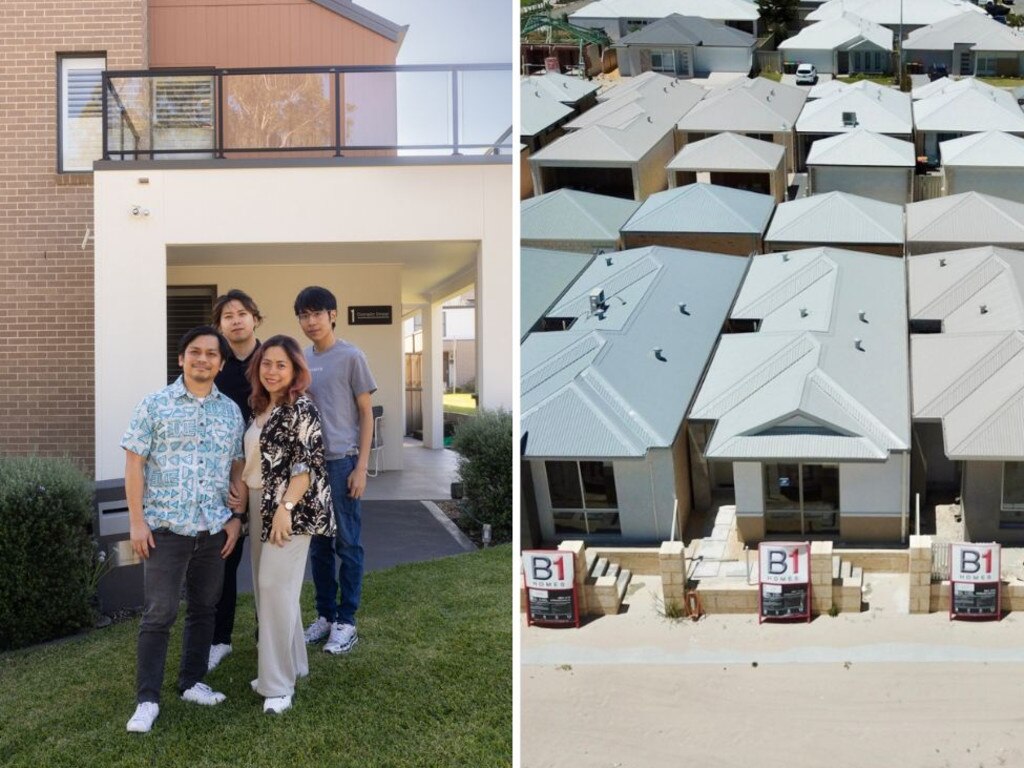
Developers Turn to ‘Zipper Lots’ to Assist Sydney’s Housing Crisis
Sydney is embracing an innovative urban planning concept known as ‘zipper lots’ in a strategic bid to alleviate its escalating housing and affordability crisis. This novel approach, rapidly gaining traction among developers and urban planners, aims to unlock underutilised urban spaces and expedite the creation of much-needed housing stock across the metropolitan area.
The concept of zipper lots represents a creative solution to the scarcity of developable land in a densely populated city like Sydney. With traditional large-scale development sites becoming increasingly rare and expensive, this innovative strategy seeks to aggregate smaller, often irregularly shaped, and previously overlooked land parcels into viable building plots.
Unpacking the ‘Zipper Lot’ Concept
At its core, a zipper lot involves the amalgamation of several adjacent, often neglected or inefficiently used, slivers of land. These can include narrow strips between existing buildings, underutilised backyard spaces, redundant access lanes, or even awkwardly shaped remnants from previous subdivisions. The “zipper” metaphor aptly describes how these disparate pieces of land are brought together, or “zipped up,” to form a cohesive, developable site.
This approach contrasts sharply with conventional development models that typically rely on large, pre-existing plots. By identifying and combining these overlooked micro-parcels, developers can create sites large enough for small-scale apartment buildings, townhouses, or diverse infill housing projects, without requiring the demolition of established structures or the acquisition of large, expensive landholdings.
A Strategic Response to Sydney’s Housing Shortage
Sydney’s housing market has long been characterised by high demand, limited supply, and escalating prices, rendering homeownership increasingly out of reach for many residents. The city’s population continues to grow, exacerbating the need for diverse and affordable housing options. Zipper lots are being championed as a pragmatic tool to address several facets of this complex crisis.
Addressing Density and Affordability
One of the primary benefits of zipper lots is their potential to increase urban density in established areas without contributing to urban sprawl. By developing within existing footprints, these projects leverage existing infrastructure and services, reducing the environmental impact and the need for new, costly infrastructure in peripheral areas. This infill development can also revitalise neglected pockets of the city.
Furthermore, the potentially lower land acquisition costs for developers, compared to traditional large blocks, could translate into more affordable housing outcomes. By creating opportunities for smaller, more diverse housing types – from compact apartments to multi-generational townhouses – zipper lots can help diversify Sydney’s housing stock and cater to a broader range of household needs and budgets.
Streamlined Development and Community Integration
While the process of land aggregation can be complex, once parcels are successfully combined and planning approvals secured, the development of zipper lots can often proceed with greater efficiency. These projects are typically smaller in scale than major apartment towers or sprawling subdivisions, potentially leading to quicker construction times and faster delivery of new homes to the market.
Moreover, integrating new housing into existing neighbourhoods through zipper lots fosters a sense of community by maintaining the established urban fabric. Rather than creating entirely new communities on the city’s fringes, this approach strengthens existing ones, promoting walkability, access to public transport, and local amenities.
Navigating the Path Forward
Despite their promise, the implementation of zipper lots is not without its challenges. The process requires intricate coordination between multiple landowners, often involving complex negotiations and legal agreements. Local councils and planning authorities also play a crucial role, needing to adapt existing zoning laws and development controls to accommodate these unique projects.
Community engagement is paramount to the success of zipper lot initiatives. Addressing potential concerns from existing residents about increased density, traffic, or changes to neighborhood character will be vital. Transparent planning processes and clear communication about the benefits and impacts of these developments are essential to fostering acceptance and collaboration.
Ensuring that existing infrastructure – including water, sewerage, electricity, and transport networks – can adequately support increased density in these specific locations is another critical consideration. Strategic planning and investment in local amenities will be necessary to maintain liveability as these areas evolve.
Expert Insights and Future Outlook
Urban planning experts and developers alike view zipper lots as a valuable addition to the suite of solutions needed to address Sydney’s housing challenges. While not a singular panacea, they represent a smart growth strategy that maximises the utility of urban land resources.
The success of zipper lots will ultimately hinge on collaborative planning, adaptable regulatory frameworks, and proactive community engagement. As Sydney continues to grapple with its housing and affordability crisis, innovative approaches like zipper lots offer a promising pathway towards creating a more diverse, sustainable, and accessible urban landscape for future generations.
Source: Read full article





Leave feedback about this