
Doubled in 5 years: Why WA and Qld are rewriting the growth playbook
Homeowners who invested in Western Australia or Queensland property within the last five years have witnessed an extraordinary surge in wealth, with dwelling values in both states more than doubling amidst a robust market boom. This remarkable growth trajectory is prompting analysts and economists to re-evaluate traditional drivers of property appreciation, as these two states emerge as national leaders in a recalibrated landscape.
The post-pandemic era has seen a seismic shift in Australia’s internal migration patterns and economic priorities, profoundly impacting the property markets of WA and Queensland. While national averages have seen significant increases, the sheer magnitude of growth in these regions points to a confluence of unique factors, from resurgent resource sectors to an unparalleled pursuit of lifestyle and affordability.
The Unprecedented Surge: A Look at the Numbers
Data from leading property analytics firms reveals that since early 2019, property values across Western Australia and Queensland have experienced growth rates significantly outstripping other major states. This period encompasses the initial stages of the pandemic, the subsequent interest rate cuts, and the more recent inflationary environment, yet the momentum in these markets has remained largely undeterred. For many homeowners, particularly those who entered the market five years ago, their primary asset has now effectively doubled in value, creating substantial equity and reshaping personal financial landscapes.
Western Australia: The Resource and Migration Magnet
Western Australia’s property boom is intrinsically linked to its powerful resources sector. The sustained strength in commodity prices, particularly iron ore and gas, has fuelled a strong state economy, driving employment growth and attracting skilled labour. This economic vibrancy has translated directly into housing demand.
Driving Factors in WA:
- Strong mining sector performance and investment.
- Significant interstate and international migration, with people drawn by job opportunities and the state’s relative affordability compared to Sydney or Melbourne just a few years ago.
- Historically low vacancy rates for rentals, pushing more tenants towards homeownership.
- Limited new housing supply, exacerbated by construction cost increases and labour shortages.
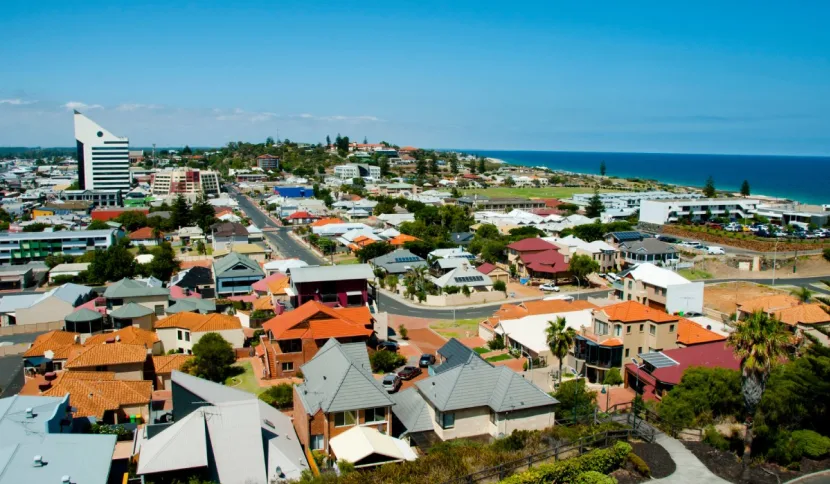
Perth, in particular, has seen a dramatic turnaround from a period of stagnation preceding the pandemic, now boasting some of the strongest growth metrics in the country. Regional WA, especially areas linked to mining operations, has also experienced substantial uplift.
Queensland: Lifestyle, Infrastructure, and Population Influx
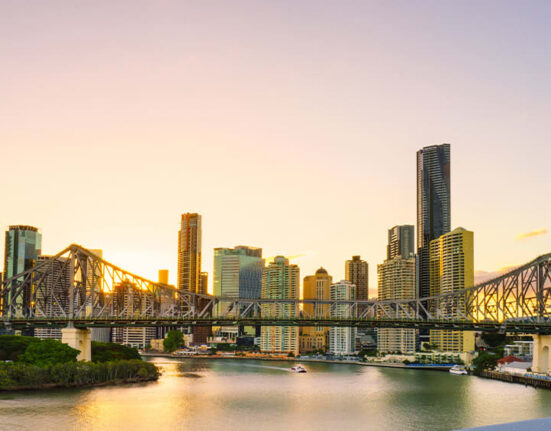
Queensland’s ascent to property prominence has been driven by a different, yet equally potent, set of forces. The Sunshine State has become the primary beneficiary of Australia’s internal migration, with a consistent exodus of residents from the more expensive southern capitals, particularly New South Wales and Victoria.
Driving Factors in Qld:
- High levels of interstate migration, with people seeking a more affordable lifestyle, warmer climate, and perceived better work-life balance.
- Significant government investment in infrastructure, including projects tied to the Brisbane 2032 Olympic and Paralympic Games, which are creating jobs and improving connectivity.
- A resilient tourism sector, which has rebounded strongly, supporting regional economies.
- Historically low rental vacancies across Brisbane and regional centres, intensifying competition for housing.
- A comparatively lower entry point for property buyers a few years ago, offering greater value than Sydney or Melbourne.
From the Gold Coast and Sunshine Coast to Brisbane and regional hubs like Toowoomba and Cairns, the demand for housing has consistently outstripped supply, creating a seller’s market and pushing values skyward.
Economic Tailwinds and Supply Headwinds
Beyond state-specific factors, broader economic conditions have played a crucial role. The period of ultra-low interest rates following the initial COVID-19 outbreak supercharged borrowing capacity and buyer confidence. While interest rates have since risen sharply, the underlying demand in WA and Qld, coupled with severe supply shortages, has maintained upward pressure on prices.
Construction industry challenges, including labour shortages, supply chain disruptions, and soaring material costs, have severely hampered the ability to deliver new housing stock. This bottleneck in supply, against a backdrop of surging population growth, has created a fundamental imbalance that continues to underpin price appreciation in these markets.
Implications for the Future
The sustained growth in Western Australia and Queensland is not merely a short-term phenomenon but reflects a fundamental shift in Australia’s economic and demographic landscape. While the pace of value doubling may moderate, the underlying drivers of population growth, economic strength, and constrained supply are expected to keep these markets robust.
For existing homeowners, this period has generated significant wealth and financial security. However, for first-time buyers and those looking to enter these markets, the rapid appreciation presents considerable challenges, raising concerns about affordability and accessibility. Policymakers in both states are now grappling with strategies to address housing supply and affordability, ensuring that the benefits of growth are shared more broadly.
Western Australia and Queensland are not just experiencing a property boom; they are actively rewriting the playbook for property growth in Australia, driven by a powerful combination of economic opportunity, lifestyle migration, and structural market imbalances that promise to shape their futures for years to come.
Source: Read full article


Leave feedback about this