How Supply is Reshaping Australia’s Housing Market
Australia’s housing market is currently navigating a period of profound divergence, splitting into distinct regional trajectories that challenge the notion of a monolithic national trend. While the nation’s two largest markets, Sydney and Melbourne, are experiencing solid declines in value, their counterparts in Perth, Brisbane, and Adelaide continue to demonstrate remarkable resilience, albeit at a somewhat moderated pace of growth. This two-speed market dynamic is increasingly influenced by underlying supply and demand fundamentals, alongside broader economic pressures.
East Coast Giants Grapple with Declines
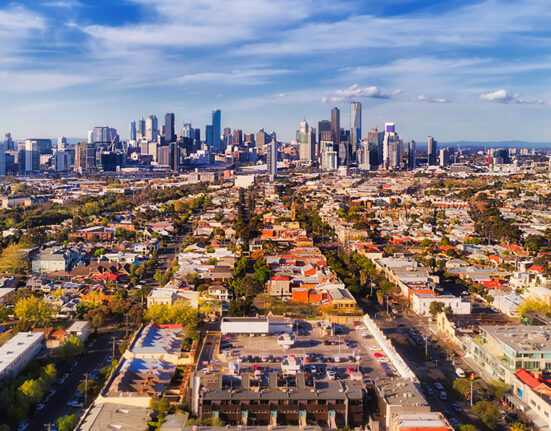
The urban centres of Sydney and Melbourne, long considered the titans of the Australian property landscape, are now firmly entrenched in a downturn. Recent data indicates a sustained period of value depreciation in these metropolitan areas, a trend underscored by consistently weak preliminary auction results. Over recent weekends, both cities have recorded subdued clearance rates, signaling a significant shift in buyer sentiment and seller expectations. This weakness in the auction market, a traditional bellwether for housing confidence, highlights a market where demand is struggling to keep pace with available listings, or where buyers are exercising increased caution amidst rising interest rates and cost of living pressures.
Several factors are contributing to this cooling off. Affordability, which reached unprecedented levels during the pandemic-induced boom, has become a major impediment for many prospective buyers. The cumulative effect of multiple interest rate hikes by the Reserve Bank of Australia has also significantly eroded borrowing capacity, particularly for those looking to enter or upgrade in these high-value markets. Furthermore, while not an oversupply in all segments, the balance of new listings and buyer activity appears to favour purchasers in these major eastern capitals, creating downward pressure on prices.
Western and Southern Capitals Power On
In stark contrast to the eastern seaboard, Perth, Brisbane, and Adelaide continue to defy the national slowdown, exhibiting sustained positive growth in property values. While the rapid escalation seen in previous periods has slightly tempered, these cities are firmly in an upward trajectory. This resilience can be attributed to a confluence of factors that differentiate them from their larger counterparts.
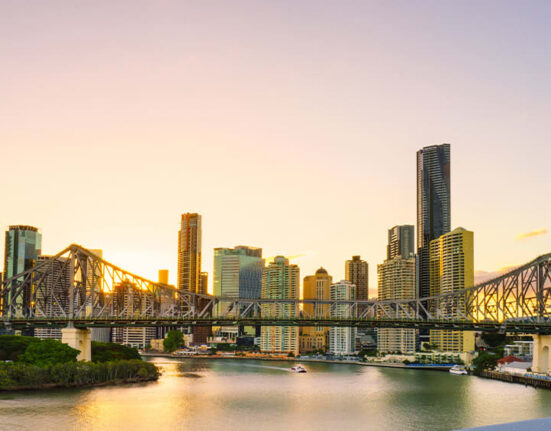
Firstly, these markets generally offer superior affordability, making homeownership more accessible to a broader demographic, including first-home buyers and those relocating from more expensive states. Secondly, strong interstate migration patterns continue to funnel new residents into these cities, bolstering demand for housing. Brisbane, for instance, has been a significant beneficiary of internal migration, driven by lifestyle appeal and comparatively lower housing costs. Adelaide’s market has similarly benefited from a steady stream of new residents and a relatively tight supply of available properties. Perth, buoyed by its strong resources sector and attractive lifestyle, has also seen robust demand outstrip supply, maintaining upward price momentum.
Auction Weakness Underscores Market Rebalancing
The weekend’s preliminary auction results across the nation served as a stark reminder of this fractured market. While comprehensive final figures are yet to emerge, the initial indications pointed to continued softness, particularly pronounced in Melbourne and Sydney. Low clearance rates and a higher proportion of properties being passed in or withdrawn reflect a market where sellers are increasingly needing to adjust their price expectations to meet a more discerning and less numerous pool of buyers. This rebalancing is a natural consequence of tighter monetary policy and shifting economic sentiment, but its intensity varies significantly by region.
Supply Dynamics: The Core Driver of Disparity
At the heart of this market divergence lies the intricate interplay of supply and demand. In Perth, Brisbane, and Adelaide, a persistent undersupply of housing relative to ongoing population growth and household formation continues to underpin price increases. Despite new construction efforts, the existing housing stock and new dwelling completions are often insufficient to meet the robust demand from both local and interstate buyers. This creates competitive conditions that sustain value appreciation.
Conversely, while not necessarily facing an oversupply, Sydney and Melbourne are experiencing a recalibration where the existing stock, coupled with new developments and reduced buyer purchasing power, has shifted the balance. The sheer scale of these markets, combined with their higher price points, makes them more susceptible to interest rate sensitivity and shifts in economic confidence. The supply of new apartments, for example, might be more pronounced in certain segments of these larger cities, contributing to competitive pressures for sellers.
The Australian housing market is clearly in a state of flux, moving beyond a uniform national trend towards a more nuanced, city-specific performance. As interest rates stabilise and economic conditions evolve, the relative balance of housing supply and demand in each major capital will continue to dictate its trajectory. This ongoing split underscores the critical importance of regional analysis for anyone engaged with the property sector, as the forces shaping value in one city may be entirely different to those at play just a few hundred kilometres away.
Source: Read full article