Tenants Face Rent Jumps Nationwide as Affordability Declines
Tenants across Australia’s capital cities are once again grappling with significant increases in rental prices, a trend that is severely impacting household budgets and exacerbating the nation’s housing affordability crisis. The surge, widely reported by realestate.com.au and other property analysts, is primarily attributed to a potent combination of robust population growth and a persistent shortfall in housing supply.
The Rising Tide of Rental Costs
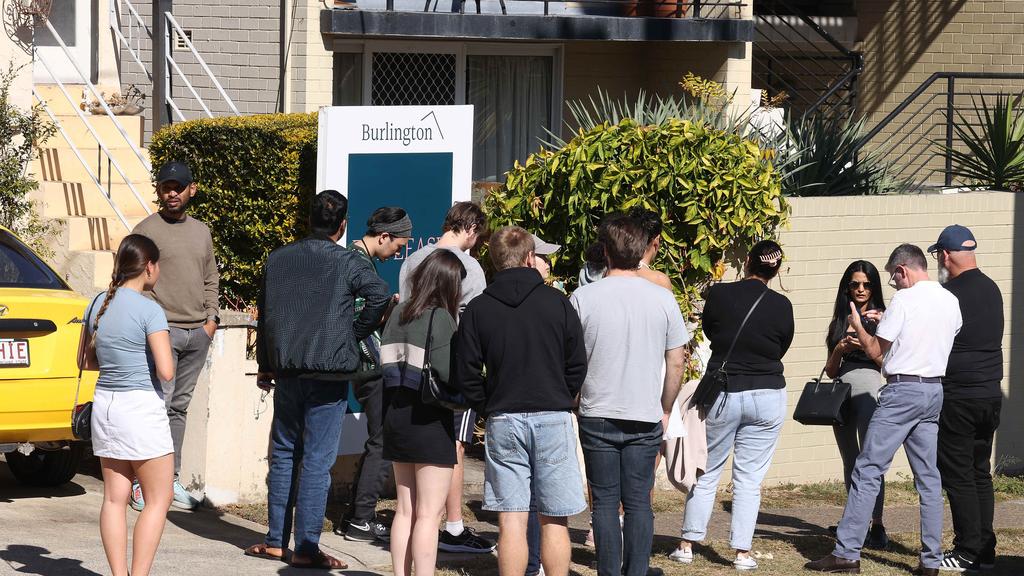
The latest data indicates a widespread escalation in rental rates, with virtually all major metropolitan areas experiencing upward pressure. This resurgence follows a period of intense competition in the rental market, which has seen vacancy rates plummet to historic lows in many regions. For many renters, the current market dynamics mean not only higher weekly payments but also increased difficulty in securing a property, often facing bidding wars and rapid decision-making requirements.
Industry experts highlight that the pace of rental increases is outstripping wage growth for a significant portion of the population, leading to a widening gap in affordability. This situation is forcing many households to allocate a larger percentage of their income towards housing, leaving less for essential living expenses and savings.
Fueling the Crisis: Population Growth and Supply Shortfalls
Population Influx
A key driver behind the current rental market pressures is Australia’s rapidly expanding population. Following the easing of pandemic-era border restrictions, the country has seen a substantial return of international students and skilled migrants, significantly boosting demand for rental accommodation, particularly in inner-city and suburban areas of the capital cities. This influx, while beneficial for economic growth, has placed immense strain on an already tight housing market.
Internal migration patterns also contribute to the problem, with many individuals and families relocating to major urban centres for employment and lifestyle opportunities, further intensifying competition in specific rental pockets.
Persistent Supply Deficit
Compounding the effects of population growth is a chronic undersupply of new rental properties entering the market. Construction rates have struggled to keep pace with demand for several years, a problem exacerbated by factors such as rising material costs, labour shortages, and complex planning processes. The pipeline of new housing developments, particularly those designed for the rental market, has not been sufficient to absorb the increased tenant pool.
Furthermore, investor activity, which typically contributes to the rental stock, has been inconsistent. While some investors are re-entering the market, the overall volume of rental properties is still not growing at a rate necessary to alleviate the current pressures. The lack of diverse housing options, including affordable apartments and medium-density dwellings, also restricts choices for tenants.
The Human Cost: Declining Affordability
The impact of these rising costs on tenants is profound. Many are finding themselves in precarious financial positions, forced to make difficult choices between paying rent and covering other necessities like food, healthcare, and education. Rental stress, defined as spending more than 30% of household income on rent, is becoming increasingly prevalent across all demographics, but particularly affects low-income earners, single-parent households, and young people.
The intense competition also means that tenants have less bargaining power and fewer options, often accepting properties that may not fully meet their needs or are located further from their workplaces and support networks. This erosion of housing affordability poses significant social and economic challenges for the nation.
Expert Perspectives and Future Outlook
Housing economists and advocacy groups are calling for urgent and comprehensive action from all levels of government. Dr. Eleanor Vance, a leading housing policy analyst, commented, “The current trajectory is unsustainable. We are creating a generation of renters who will struggle to build wealth and achieve financial stability. A multi-pronged approach is needed, focusing on both increasing housing supply through diverse means and providing targeted support for vulnerable tenants.”
Potential solutions being discussed include fast-tracking planning approvals for new developments, investing in social and affordable housing initiatives, exploring build-to-rent models, and reviewing taxation policies that impact housing supply and affordability. Without significant intervention, the outlook for tenants remains challenging, with continued upward pressure on rents anticipated in the short to medium term.
The current rental crisis underscores a critical need for a coordinated national housing strategy. Addressing the fundamental imbalances between supply and demand, alongside measures to protect tenant welfare, will be essential to ensure that housing remains accessible and affordable for all Australians, preventing further widespread hardship and maintaining social equity.
Source: Read full article