
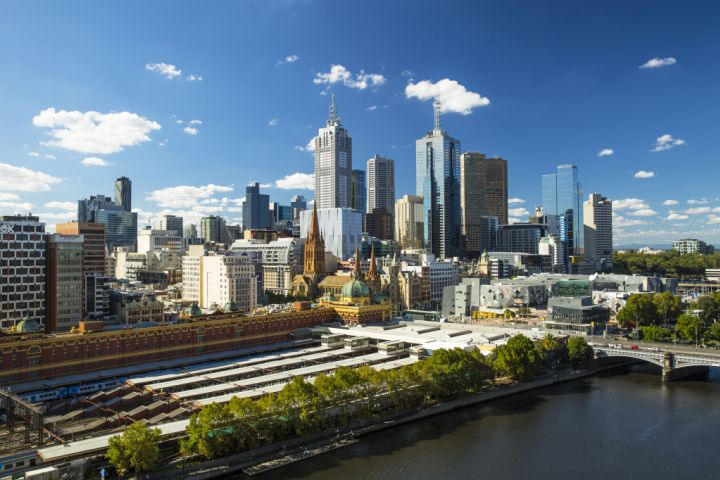
Melbourne Units Supersede Houses to Become Most Expensive to Rent in the City
Melbourne’s rental landscape has undergone a significant and unprecedented transformation, with new data revealing that the median weekly asking rent for units has now surpassed that of houses. This pivotal shift marks a critical turning point in the city’s housing affordability crisis, primarily driven by a surge of tenants funneling into the unit market amid escalating cost-of-living pressures and a subsequent constriction of supply volumes.
For decades, detached houses have consistently commanded higher rental prices than their unit counterparts, reflecting their larger footprint, private amenities, and perceived value. However, recent market dynamics have inverted this long-standing trend, presenting a fresh challenge for renters across the metropolitan area.
The Inversion of Rental Norms
Analysis of the latest rental market statistics indicates a clear and sustained upward trajectory for unit rents, which have now overtaken house rents on a median weekly basis. While specific figures fluctuate week-to-week, the overarching trend is undeniable. This development underscores the intense pressure gripping Melbourne’s rental sector, where demand continues to outstrip available properties.
Industry experts point to a confluence of factors contributing to this remarkable inversion. The most prominent driver is the relentless pursuit of affordability. As the cost of renting a detached house has continued to climb, pushed by inflation, interest rate hikes, and limited stock, a growing number of tenants have been forced to reconsider their housing options. The unit market, once perceived as a more accessible alternative, has become the primary refuge for those priced out of larger homes.
Affordability Pressures Redefine Tenant Choices
The Australian rental market, and Melbourne in particular, has been grappling with an acute shortage of affordable housing for several years. This deficit has been exacerbated by a post-pandemic return to the city, robust population growth, and a dip in investor activity during certain periods. As house rents soared, many prospective tenants, including young professionals, students, and small families, found themselves with little choice but to compete for units.
“This inversion is a direct consequence of sustained affordability pressures in the broader housing market,” explained Dr. Eleanor Vance, a senior property market analyst at the Urban Development Institute of Australia (UDIA) Victoria. “Tenants, increasingly priced out of traditional detached homes, have gravitated towards the unit sector, inadvertently escalating demand and subsequently rents in that segment. What was once a more affordable entry point has now become a highly competitive battleground.”
Supply Constraints Fuel Unit Rent Hikes
The sudden influx of demand into the unit market has placed immense strain on existing supply. Despite ongoing apartment construction in various parts of the city, the rate of new dwellings entering the rental pool has not kept pace with the overwhelming number of prospective tenants. This imbalance has created a seller’s (or rather, landlord’s) market, empowering property owners to increase asking rents significantly.
Vacancy rates for units across Melbourne have plummeted to historic lows, reflecting the intense competition. In many sought-after suburbs, units are leased within days of being advertised, often after attracting multiple applications and even bidding wars. This scenario is a stark departure from previous years when unit vacancies were generally higher, particularly in inner-city areas.
The Ripple Effect on Diverse Demographics
The consequences of this trend are far-reaching, impacting a diverse cross-section of Melbourne’s population. For individuals and couples who traditionally sought units for their convenience and relative affordability, the new price points present a significant hurdle. Small families, often priced out of houses, now face a double bind, finding even smaller dwellings increasingly out of reach.
Student populations, both domestic and international, who rely heavily on the unit market for accommodation, are also feeling the pinch. Universities and educational institutions are reporting increased difficulties for their students in securing suitable housing, impacting their ability to settle and study effectively.
Looking Ahead: A Challenging Outlook
The current trajectory suggests that relief for Melbourne renters may not be immediate. While government initiatives and increased construction efforts aim to boost housing supply, the lag time for these projects to come online means that high demand and elevated rents are likely to persist in the short to medium term.
Experts suggest that a multi-pronged approach is required, including incentives for private developers to build more diverse housing types, streamlining planning approvals, and potentially exploring measures to support affordable housing initiatives. Without significant intervention, the dream of affordable housing in Melbourne, particularly for those entering the market, will continue to recede further out of reach.
The inversion of unit and house rental prices serves as a potent indicator of the profound structural challenges within Melbourne’s housing market. It underscores the urgent need for comprehensive strategies to address supply shortages and ensure that housing remains accessible and affordable for all residents.
Source: Read full article


Leave feedback about this