Melbourne’s Apartment Market Tipped as Australia’s Most Undervalued Property Sector
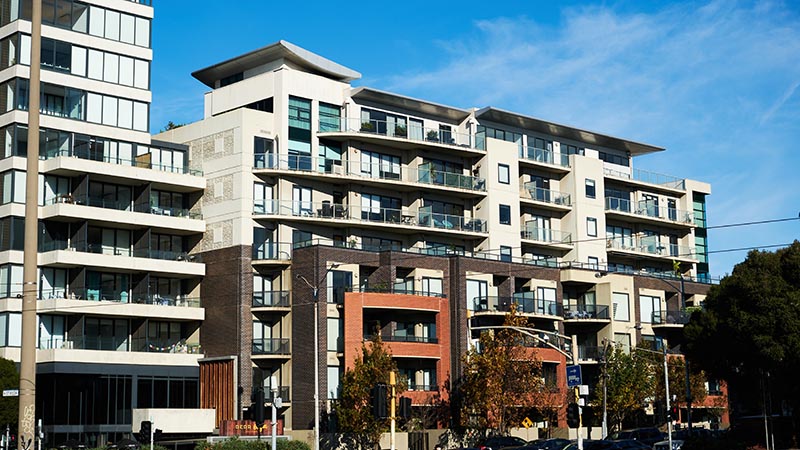
Melbourne’s apartment market is increasingly being identified as potentially Australia’s most undervalued property sector, following a period where its performance lagged behind other major capital cities. Analysts suggest that current market conditions indicate these properties are trading at a significant discount, with evolving supply and demand dynamics now creating compelling opportunities for prospective buyers and investors.
The Undervaluation Phenomenon Explained
For several years, Melbourne’s apartment segment faced headwinds, including a perceived oversupply in some areas and a preference shift towards detached housing, particularly during the pandemic-induced decentralisation trend. This resulted in subdued price growth compared to the robust surges seen in Sydney, Brisbane, and even Perth’s unit markets. This prolonged period of underperformance has, paradoxically, positioned the market for a potential rebound, with prices now appearing exceptionally attractive relative to historical trends and comparative markets.
The concept of undervaluation stems from a divergence between current market prices and an asset’s intrinsic value or its potential for future appreciation based on underlying economic fundamentals. In Melbourne’s case, a strong underlying economy, consistent population growth, and a return to pre-pandemic urban living patterns are key factors supporting this assessment. The current discount offers a unique entry point for those looking to capitalise on a market poised for correction.
Shifting Supply and Demand Dynamics
The apparent undervaluation is not merely a consequence of past underperformance but is being actively shaped by a significant shift in supply and demand dynamics across the city. These changes are creating a more favourable environment for price growth and rental yield improvements.
Evolving Supply Landscape
The pipeline for new apartment developments in Melbourne has notably tightened in recent years. Factors such as increased construction costs, labour shortages, and more stringent lending criteria for developers have led to a substantial reduction in the number of new projects commencing. This contraction in future supply means that the historical concerns about oversupply are gradually being alleviated, allowing the market to absorb existing stock more efficiently. A constrained supply environment typically supports price stability and growth as demand outstrips the availability of new units.
Growing Demand Drivers
Concurrently, demand for apartments in Melbourne is experiencing a resurgence. The return of international students and skilled migrants, a cornerstone of Melbourne’s pre-pandemic population growth, is injecting significant new demand into the rental and sales markets. Additionally, escalating interest rates and affordability constraints in the detached housing market are compelling a growing number of local buyers, including first-home buyers and downsizers, to consider apartments as a more accessible and viable housing option. The appeal of urban living, proximity to employment hubs, and lifestyle amenities continues to draw residents back to the city centre and surrounding high-density areas.
Opportunities for Buyers and Investors
The confluence of reduced supply and strengthening demand presents a compelling window of opportunity for various buyer segments. For first-home buyers, Melbourne apartments offer a more attainable entry point into the property market compared to the higher price tags of houses or units in other capital cities. Investors, meanwhile, are eyeing the potential for both capital growth, as the market corrects its perceived undervaluation, and attractive rental yields, driven by the tightening rental market and increasing tenant demand.
Strategic buyers are encouraged to conduct thorough research into specific precincts, as market performance can vary significantly across different suburbs and apartment types. Areas with strong infrastructure, transport links, and lifestyle amenities are particularly well-positioned to benefit from the anticipated market recovery.
Future Outlook and Considerations
While the outlook appears positive, market participants should remain cognisant of broader economic factors, including inflation, interest rate movements, and global economic stability. However, the fundamental drivers underpinning Melbourne’s apartment market — strong population growth, economic resilience, and a current valuation discount — suggest a robust foundation for future appreciation.
Industry experts indicate that the current conditions represent a pivotal moment for Melbourne’s apartment sector, potentially ushering in a period of sustained growth as the market rebalances and its true value is recognised. This makes it a sector to watch closely for anyone considering property investment or homeownership in Australia’s second-largest city.
Source: Read full article