Australian Property Market Shifts: Perth and Brisbane Stand Alone in Positive Growth Amidst National Slowdown
Australia’s property market is undergoing a significant transformation, with the latest residential data revealing a stark divergence across capital cities. Perth and Brisbane have emerged as the sole capitals maintaining positive property price growth, while the rest of the nation grapples with an accelerated slowdown. Analysts are increasingly warning that the long-running property boom has conclusively ended, giving way to a broad-based buyers’ market.
This dramatic shift is primarily attributed to a confluence of factors, including the persistent pressure of higher interest rates, a palpable weakening in buyer demand, and the impact of recent property tax changes outlined in the Federal Budget. The cumulative effect of these elements is reshaping market dynamics, prompting a re-evaluation of investment strategies and purchasing decisions nationwide.
The National Property Slowdown Takes Hold
Across most major Australian cities, the momentum that characterised the post-pandemic property boom has dissipated. Following an extended period of robust price appreciation, many capitals are now experiencing either stagnation or outright declines in property values. This widespread cooling is a direct consequence of the Reserve Bank of Australia’s aggressive monetary policy tightening, which has seen interest rates climb steadily over the past year and a half.
The national housing market, once a beacon of seemingly unstoppable growth, is now navigating a period of adjustment. This slowdown is not merely a moderate deceleration but an acceleration, indicating that the underlying conditions for price growth have fundamentally weakened in most regions. Sellers are facing longer listing periods, and the frenetic bidding wars that once defined the market are becoming a distant memory.
Interest Rate Pressures and Buyer Hesitation
The impact of higher interest rates cannot be overstated. Successive rate hikes have significantly reduced borrowing capacity for prospective buyers, effectively pricing many out of the market. For existing homeowners, increased mortgage repayments have tightened household budgets, leading to a more cautious approach to discretionary spending and major investments, including property.
Consequently, buyer demand has softened considerably. A combination of reduced affordability, economic uncertainty, and a general wait-and-see attitude among potential purchasers has thinned the ranks of active buyers. This reduced competition at auctions and private sales is a key indicator of the market’s shift, empowering buyers with greater negotiating power and choice.
Federal Budget’s Influence on Property Sentiment
Adding another layer of complexity to the market is the Federal Budget’s recent property tax changes. While specific details of these changes can vary, their introduction has contributed to an environment of uncertainty for both investors and owner-occupiers. Such policy adjustments can alter the financial calculus for property ownership, potentially diminishing the attractiveness of real estate as an investment or increasing the cost of holding property.
The timing of these changes, coinciding with rising interest rates and waning demand, has likely amplified their effect, further contributing to the accelerated deceleration observed across the national housing market.
Perth and Brisbane: Beacons of Resilience
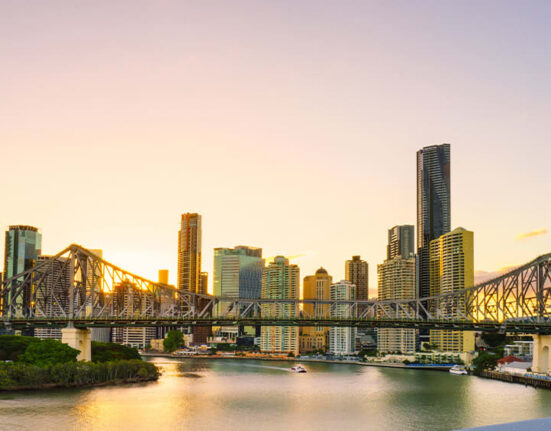
In stark contrast to the national trend, Perth and Brisbane continue to defy gravity, maintaining positive property price growth. This resilience can be attributed to a unique set of localised factors. Both cities have benefited from strong interstate migration, robust local economies, and relatively higher affordability compared to the eastern seaboard capitals like Sydney and Melbourne.
These underlying strengths appear to be insulating their markets from the broader headwinds affecting other parts of Australia. While not immune to national economic pressures, the demand-supply dynamics in Perth and Brisbane currently remain more favourable for price appreciation, attracting both owner-occupiers and investors seeking value and growth.
The Dawn of a Broad-Based Buyers’ Market
The overarching consensus among analysts is that Australia has transitioned from a seller’s market to a broad-based buyers’ market. This fundamental shift means that buyers now hold the advantage, with more stock available, less competition, and increased opportunities for negotiation on price and terms.
For sellers, this new environment necessitates a recalibration of expectations. Properties may take longer to sell, and achieving previously anticipated record prices could prove challenging. The market is increasingly favouring well-priced properties that meet buyer expectations in terms of condition and location, with less room for speculative pricing.
The current landscape signals the end of an extraordinary era of property growth and the beginning of a more balanced, albeit challenging, period for the Australian housing market. As Perth and Brisbane carve out their niche of continued growth, the rest of the country prepares for further adjustments, highlighting the increasing importance of local market conditions and prudent financial planning in property decisions.
Source: Read full article