Single Australians Face ‘Singles Tax’ Costing Thousands, New Report Reveals
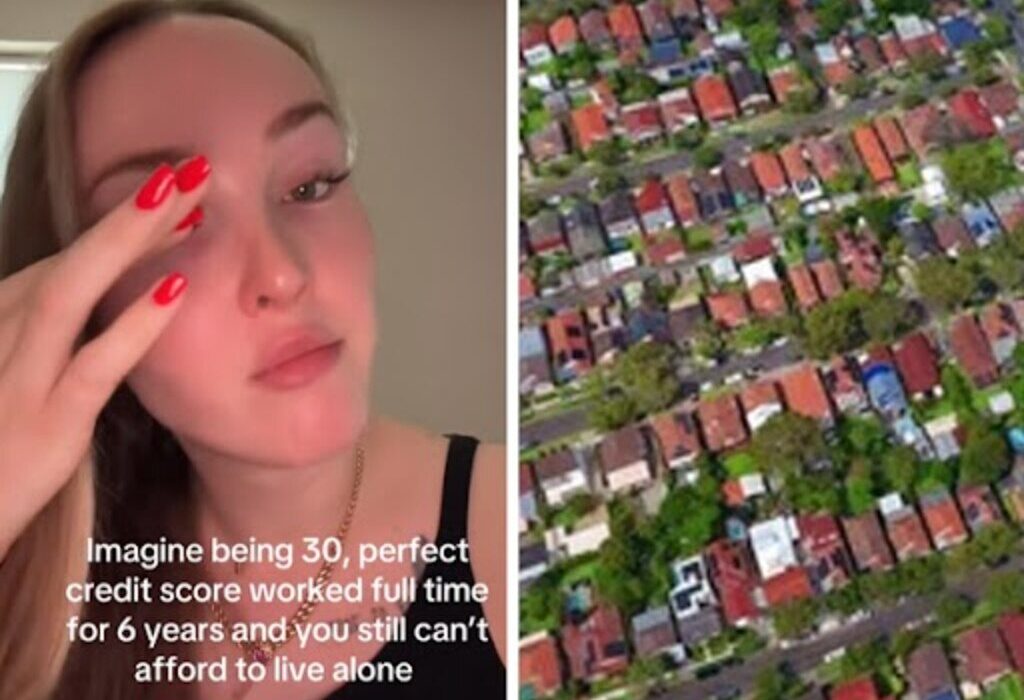
Single Australians are increasingly being priced out of the nation’s property market, facing what a new report terms a ‘singles tax’ that costs them thousands annually and severely limits their homeownership prospects. Research published on realestate.com.au reveals that single individuals can now afford to purchase a home in just one-third of suburbs across the country, highlighting a growing disparity in housing accessibility.
The comprehensive analysis underscores the significant financial hurdles confronting single buyers. Unlike couples who can pool incomes and split expenses, singles bear the full brunt of mortgage repayments, household bills, and the substantial deposit required to enter the market. This inherent disadvantage effectively acts as an unofficial ‘tax,’ making the path to homeownership considerably steeper and longer for individuals without a partner’s financial contribution.
The Staggering Cost of Going Solo in the Property Market
The report details the stark financial implications of this ‘singles tax.’ On average, a single person needs to earn a substantially higher income than half of a couple’s combined income to afford the same property. This gap is not merely a matter of scale; it reflects the disproportionate burden of fixed costs that do not halve simply because there is only one occupant.
For instance, while a couple might comfortably service a mortgage on a combined income of $150,000, a single person earning $75,000 would struggle immensely to secure and maintain the same loan. Mortgage lenders assess serviceability based on a single income, often requiring a higher personal income threshold to mitigate risk. This means singles are often limited to smaller loans or forced to save for a much larger deposit to reduce their borrowing needs.
Deposit Dilemma and Loan Serviceability
Saving for a deposit is one of the most formidable challenges. With median house prices soaring across capital cities, a 20% deposit can amount to hundreds of thousands of dollars. For a single income household, accumulating such a sum while also covering rent and living expenses can take a decade or more longer than for a dual-income household. This extended saving period further exposes singles to rising property prices, effectively moving the goalposts further away.
Furthermore, the ability to service a loan is severely impacted. Interest rate hikes, inflation, and the general cost of living disproportionately affect single earners who lack a financial safety net from a second income. This makes mortgage repayments a precarious balancing act, often forcing singles to compromise on location, property size, or defer their homeownership aspirations indefinitely.
Geographic Disparity and Limited Choices
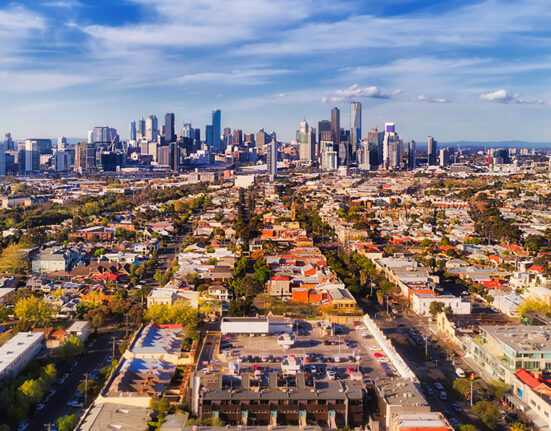
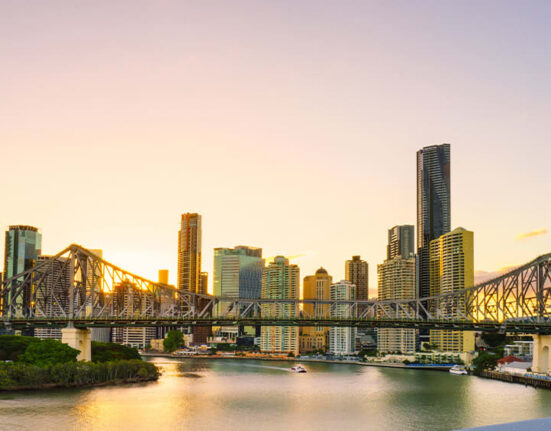
The report’s finding that singles can afford to buy in only one-third of Australian suburbs paints a bleak picture of geographical limitations. Major capital cities, particularly Sydney and Melbourne, are largely out of reach for many single buyers, pushing them to the fringes or into regional areas far from employment hubs and support networks. This not only restricts their housing choices but can also impact their career progression and quality of life.
Even in more affordable regional markets, the competition remains fierce, driven by a combination of local demand and an influx of buyers seeking better value. The limited inventory of suitable properties further exacerbates the problem, leaving single buyers with fewer options and less bargaining power.
Expert Insights and Future Outlook
Property experts suggest that this ‘singles tax’ is not just a market anomaly but a structural issue within the housing economy. “The system, in many ways, is designed for the traditional two-income household,” explains Eleanor Vance, a senior economist specialising in housing markets. “Singles are effectively penalised for their independence, facing higher per-person costs for everything from utilities to council rates, which are not offset by a second income. This creates a significant wealth gap over time, as singles are locked out of asset accumulation.”
Addressing this growing disparity will require a multi-faceted approach. While government schemes for first-home buyers exist, they often do not fully account for the unique challenges faced by single purchasers. Discussions around more targeted financial assistance, adjustments to lending criteria for single applicants, or even innovative housing models designed for individual ownership could become increasingly vital.
Without significant changes, the report suggests that the dream of homeownership will continue to recede for many single Australians, perpetuating a cycle of renting and making it harder for them to build long-term financial security. The ‘singles tax’ is more than just a financial burden; it represents a fundamental challenge to social equity and individual opportunity in Australia’s competitive property landscape.
Source: Read full article