
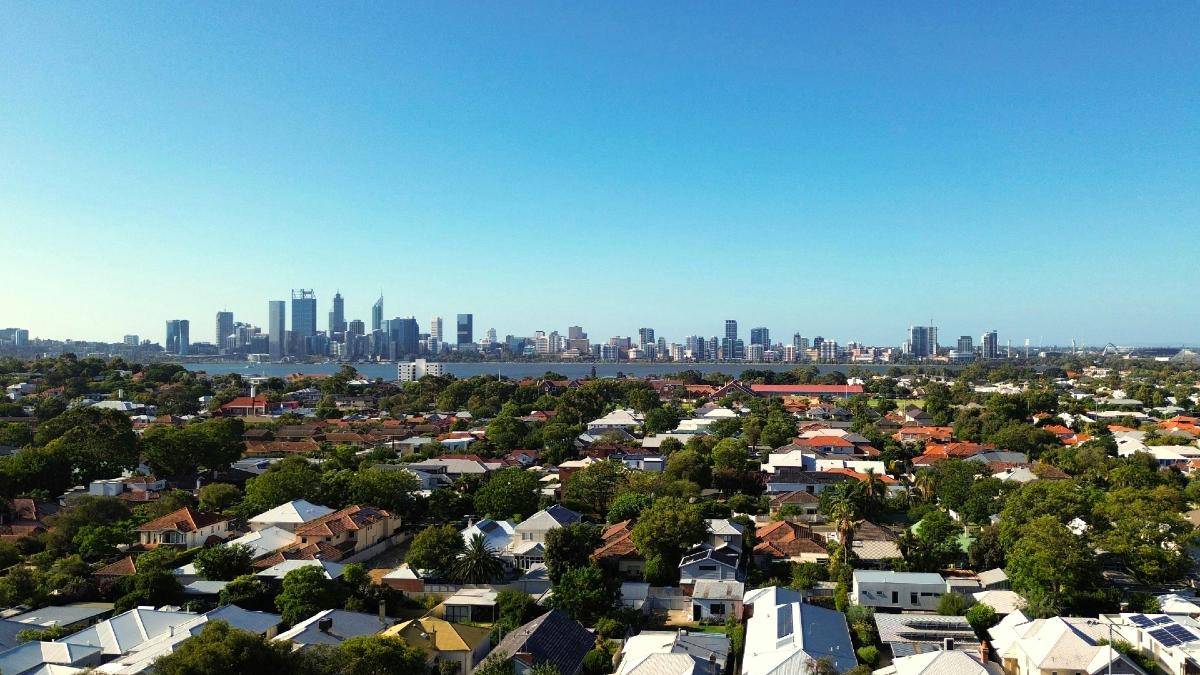
WA Population to Surge by Half a Million by 2033: What It Means for Investors
Perth, WA – Western Australia is on the cusp of an unprecedented demographic shift, with projections indicating the state’s population will swell by nearly 500,000 residents over the next seven years. This substantial influx, equating to an average increase of over 70,000 people annually, is set to profoundly reshape the state’s economic landscape, particularly impacting its housing supply and presenting a complex array of opportunities and challenges for property investors.
The Unprecedented Growth Trajectory
The forecast, which anticipates the state’s population reaching approximately 3.3 million by 2033, underscores WA’s position as a magnet for both interstate and international migration. Driven by a robust resources sector, strong employment prospects, and a desirable lifestyle, this growth rate is among the highest in the nation. Such a rapid expansion places immense pressure on existing infrastructure and services, with housing supply emerging as the most immediate and critical concern.
Mounting Pressure on Housing Supply
Western Australia’s housing market has already been grappling with historically low vacancy rates and rapidly rising prices. The addition of half a million new residents will intensify this pressure significantly. Industry experts estimate that the state will need to deliver tens of thousands of new dwellings annually to keep pace with demand, a target that current construction rates are struggling to meet.
Rental Market Dynamics
The rental market is likely to remain exceptionally tight. With more people competing for fewer available properties, rental yields could continue their upward trajectory, benefiting landlords but exacerbating affordability issues for tenants. Investors focusing on rental properties may find sustained demand, particularly in well-connected areas close to employment hubs and amenities.
Construction Challenges
Meeting the demand for new housing is not without its hurdles. The construction sector faces ongoing challenges, including skilled labour shortages, rising material costs, and supply chain disruptions. These factors contribute to longer build times and increased development costs, which can ultimately translate into higher property prices, further impacting affordability.
Strategic Opportunities for Property Investors
While the population surge presents significant challenges, it simultaneously unlocks substantial opportunities for shrewd property investors. The sustained demand for housing across all segments is a powerful underlying driver for capital growth and rental income.
Residential Property: High Demand and Capital Growth
Investors in residential property are likely to see continued strong performance. Established suburbs with good transport links, schools, and amenities will remain highly desirable. Furthermore, new growth corridors on the urban fringe, where land is available for development, will become increasingly attractive. There will be a growing need for diverse housing types, including apartments, townhouses, and family homes, catering to a broad demographic range from young professionals to growing families.
Commercial and Industrial Sector Implications
The population boom extends beyond residential needs. A larger population requires more businesses, more retail spaces, and greater industrial capacity. This translates into opportunities in the commercial property sector, including retail precincts, office spaces, and industrial warehouses to support increased economic activity, logistics, and service industries. Investors with an eye on these segments could capitalise on the need for new infrastructure and business premises.
Regional Growth Potential
While Perth will absorb a significant portion of the growth, regional centres, particularly those linked to the resources sector, may also experience renewed interest. As urban areas become more congested and expensive, some population decentralisation could occur, driving demand in key regional hubs.
Government and Infrastructure Response
Recognising the scale of the impending growth, the WA government is under increasing pressure to accelerate infrastructure development and planning. Investments in transport networks, utilities, schools, and healthcare facilities will be crucial to support the expanded population. Investors should monitor government spending and planning documents for clues on future growth zones and infrastructure corridors, which often precede significant property value appreciation.
Challenges and Considerations
Despite the opportunities, investors must also consider the potential challenges. The affordability crisis remains a significant concern, requiring careful policy responses to ensure a balanced and equitable housing market. Strain on existing infrastructure, environmental impacts, and the need for sustainable urban planning will also be critical considerations that could influence future property market dynamics.
In conclusion, Western Australia’s projected population surge of half a million residents by 2033 marks a pivotal moment for the state. While it will undoubtedly test the limits of its housing supply and infrastructure, it simultaneously presents a compelling landscape for property investors. Those who strategically position themselves, understanding both the immense demand and the associated challenges, stand to benefit significantly from this transformative period of growth.
Source: Read full article


Leave feedback about this