
Why Fewer Home Sales from Budget Changes Threaten the Entire Australian Economy
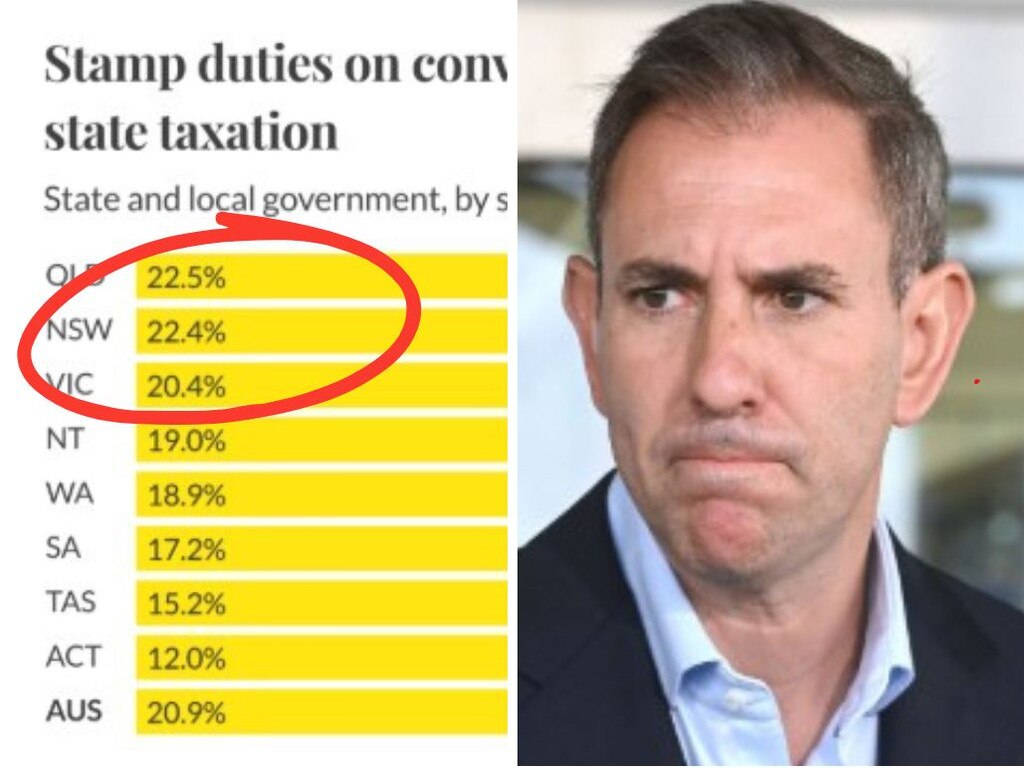
Australia’s housing market, a cornerstone of its economic stability, faces a precarious future as recent policy shifts and fiscal decisions risk significantly reducing home sales. An analysis, highlighted by realestate.com.au, suggests that such a slowdown could backfire spectacularly, potentially crippling state budgets that are heavily reliant on stamp duty revenue for their survival, and subsequently triggering wider economic ramifications across the nation.
The premise is stark: a downturn in transaction volumes, whether induced by higher interest rates, increased taxes, or other affordability measures, directly translates into a substantial drop in state government coffers. Given the deep integration of property into Australia’s financial ecosystem, this vulnerability extends far beyond mere budgetary shortfalls, threatening to ripple through employment, consumer confidence, and overall economic growth.
The Unshakeable Reliance on Stamp Duty
For decades, stamp duty has served as a critical, albeit volatile, revenue stream for Australian state and territory governments. This transactional tax, levied on property purchases, has become an indispensable component of their budgets, funding essential public services from healthcare and education to infrastructure projects. In periods of booming housing markets, stamp duty receipts have soared, providing governments with significant windfalls. However, this reliance exposes states to considerable risk during market contractions.
Economists and treasury officials have long warned about the inherent instability of stamp duty. Its revenue generation is directly tied to the volume and value of property transactions, making it highly susceptible to market fluctuations. When sales decline, even marginally, the impact on state budgets can be immediate and severe, forcing governments to either cut spending, increase borrowing, or seek alternative, often politically unpopular, revenue sources.
Policy Shifts and Their Dampening Effect on Sales
A confluence of factors, many stemming from recent budget changes and broader economic policy adjustments, is poised to dampen home sales. The Reserve Bank of Australia’s aggressive interest rate hikes, implemented to combat inflation, have dramatically increased borrowing costs, making home ownership less affordable for many prospective buyers. This directly impacts demand and, consequently, transaction volumes.
Furthermore, various government policies, both federal and state, aimed at addressing housing affordability or managing market speculation, can inadvertently reduce sales. Changes to investor taxation, such as adjustments to capital gains tax or land tax regimes, can deter property investors, who play a significant role in market liquidity. Similarly, tightening lending standards, while intended to promote financial stability, can make it harder for first-home buyers and upgraders to secure mortgages, further restricting market activity.
The cumulative effect of these measures is a market where buyers are more cautious, sellers are less inclined to list (especially if they face higher costs for their next purchase), and overall transaction velocity slows. This stagnation is precisely what threatens the stamp duty lifeline.
The Ripple Effect on State Budgets and Public Services
The immediate consequence of fewer home sales is a precipitous decline in stamp duty revenue. For states that have budgeted for specific levels of income from property transactions, this shortfall creates significant fiscal pressure. Governments may find themselves with gaping holes in their budgets, forcing difficult decisions that directly impact citizens.
Cuts to public services, such as longer waiting lists for hospitals, reduced funding for schools, or delays in crucial infrastructure projects, become a real possibility. Alternatively, states might resort to increasing debt, burdening future generations, or introducing new taxes and charges, which can further dampen economic activity and consumer confidence. The delicate balance between funding essential services and maintaining fiscal responsibility becomes exceedingly challenging when a major revenue source proves unreliable.
Broader Economic Implications for Australia
Beyond the immediate budgetary concerns, a prolonged slowdown in the housing market and fewer sales carry profound implications for the wider Australian economy. The property sector is intrinsically linked to numerous other industries. Real estate agencies, conveyancers, mortgage brokers, removalists, and the construction industry all rely heavily on transaction volumes for their livelihoods.
A significant downturn in sales could lead to job losses in these sectors, impacting household incomes and contributing to a broader economic slowdown. Reduced construction activity, for example, not only affects builders and tradespeople but also suppliers of materials, further amplifying the economic hit. Consumer confidence, often closely tied to perceptions of property wealth and market stability, could also erode, leading to decreased spending across the retail and services sectors.
In essence, the “backfire” described by realestate.com.au is a scenario where government attempts to manage or influence the housing market, through budget changes or other policies, inadvertently stifle the very activity that sustains state finances. This, in turn, risks creating a negative feedback loop: fewer sales lead to budget shortfalls, which necessitate austerity or new taxes, further impacting market confidence and transaction volumes.
Navigating the Path Ahead: The Need for Sustainable Reform
The current predicament underscores the urgent need for Australian state governments to diversify their revenue base and reduce their over-reliance on volatile transactional taxes like stamp duty. While politically challenging, discussions around comprehensive property tax reform, potentially shifting towards a broad-based land tax, have gained renewed traction as a more stable and efficient alternative.
Policymakers face a delicate balancing act: addressing housing affordability and market sustainability without inadvertently undermining the fiscal health of state budgets and, by extension, the national economy. A coordinated approach between federal and state governments, carefully considering the full economic ramifications of policy decisions on the housing market, will be crucial in navigating these complex challenges.
Without thoughtful and long-term strategic planning, the risk of fewer home sales from budget changes could indeed threaten the entire Australian economy, transforming a policy adjustment into a significant economic crisis.
Source: Read full article





Leave feedback about this